Know-how
Powermatic 80
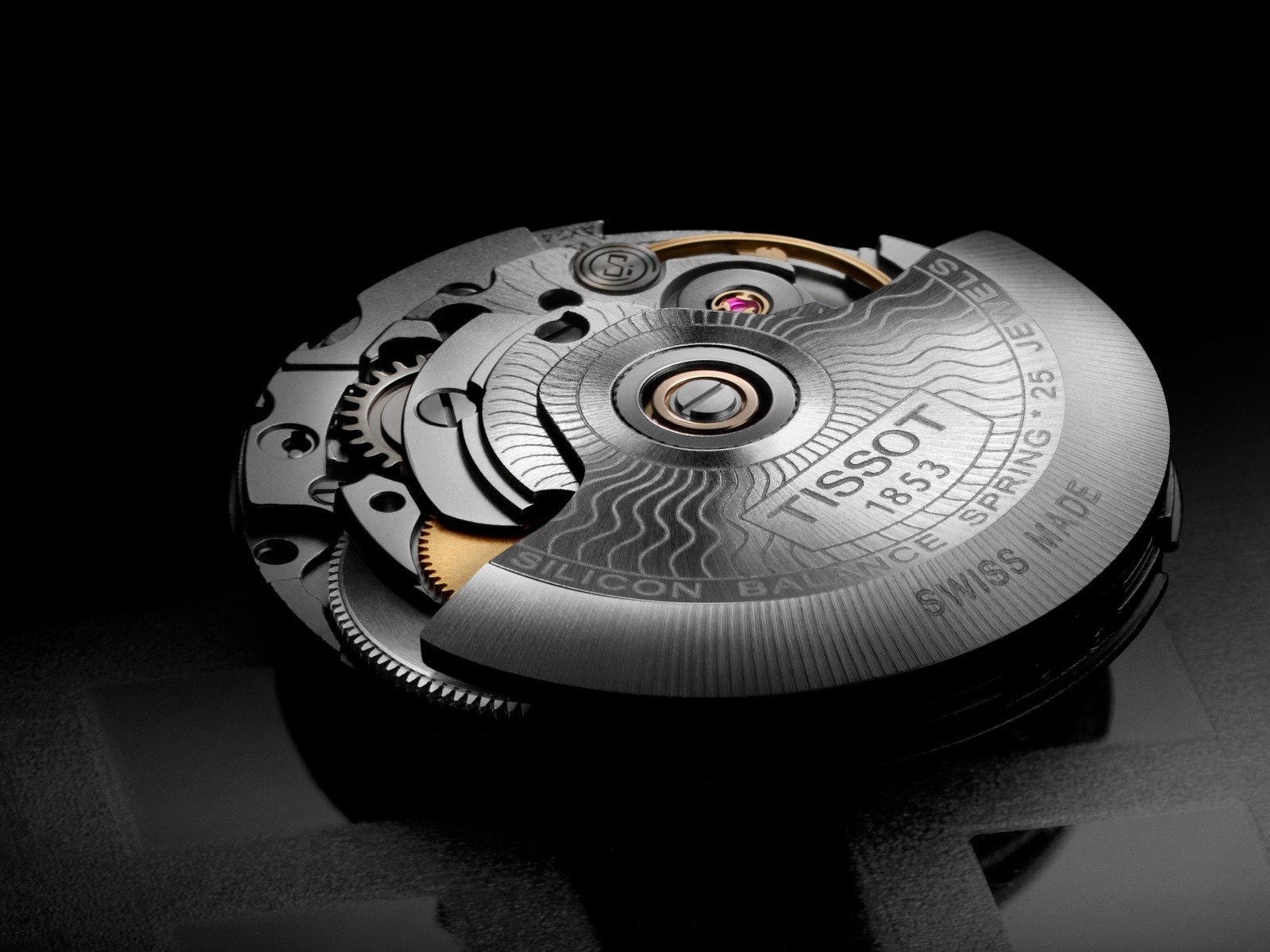
An automatic watch is powered by the natural motion of the wearer’s wrist, eliminating the need for a battery. The Powermatic 80 movement boasts an 80-hour power reserve, enough to keep accurate time for over three days without being worn. This innovative technology outperforms the competition, whose movements typically offer 36 hours of power reserve.
Non-contractual image
Swissmatic
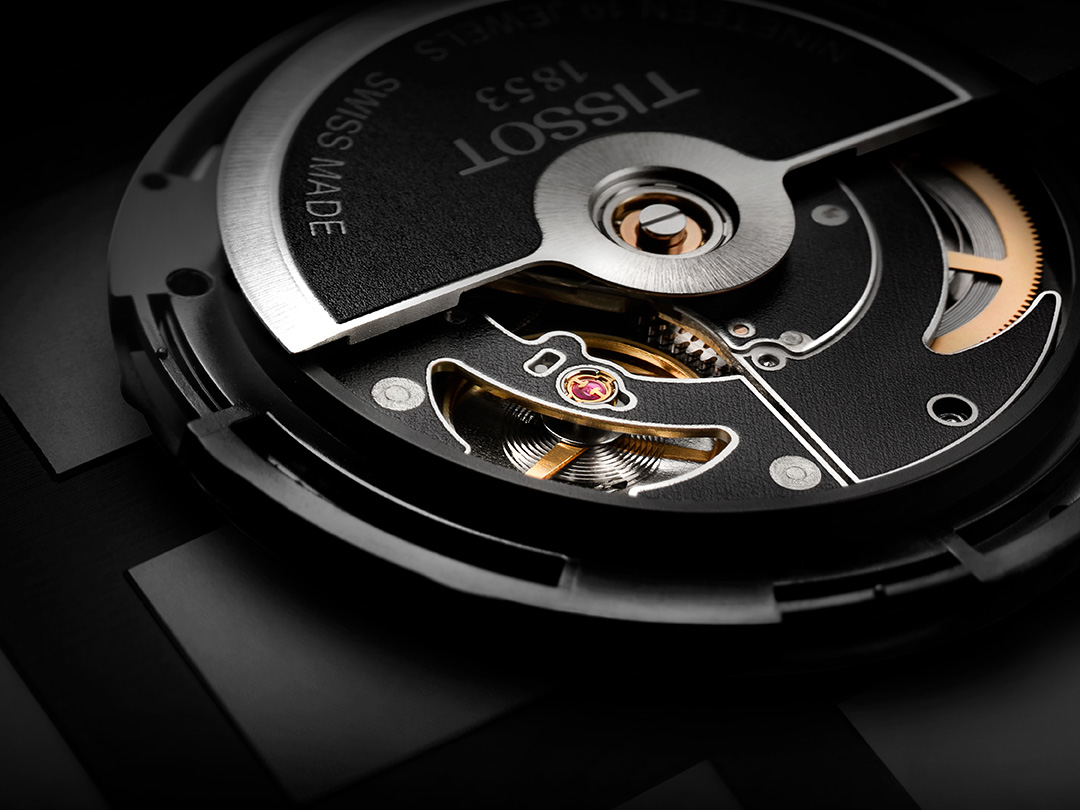
The Swissmatic movement represents a breakthrough in modern watchmaking. Its attractive price is made possible by a fully automated production process, where components are manufactured and assembled into modules to create the complete movement. The Swissmatic 72 offers a generous 72-hour power reserve, allowing the watch to keep accurate time for up to three days without being worn.
Non-contractual image
Valjoux
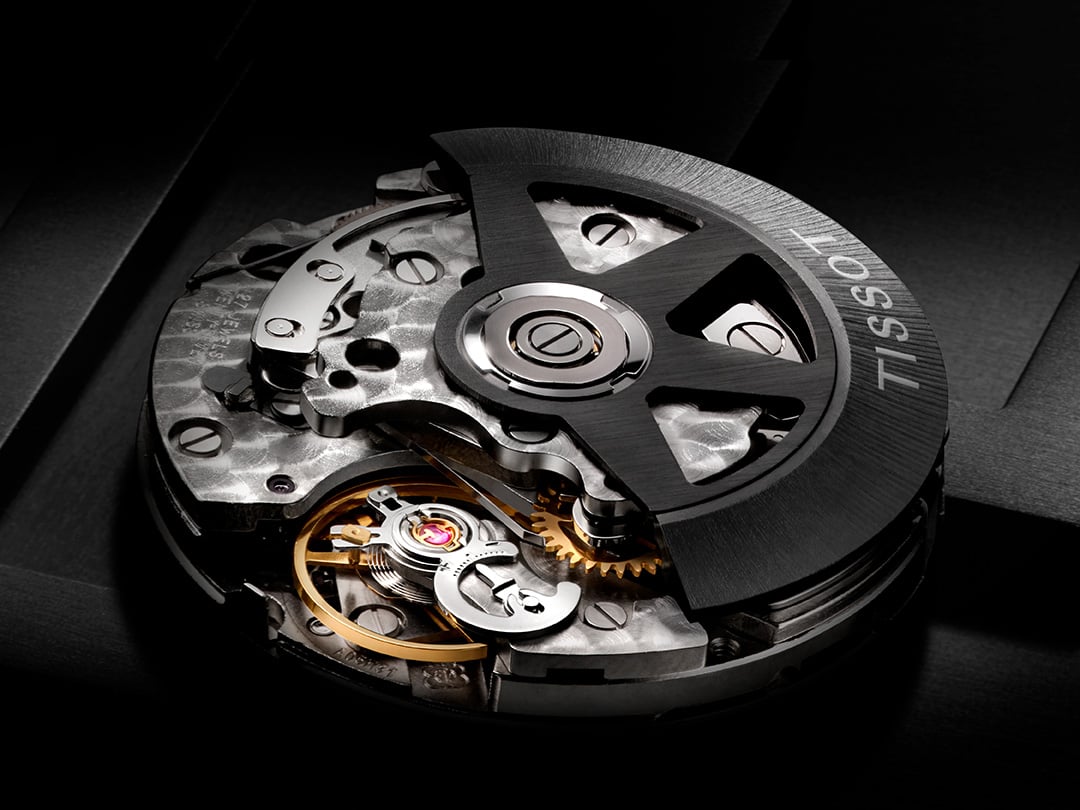
The ETA Valjoux calibre is a robust, self-winding chronograph movement renowned for its reliability and performance since its creation in the 1970s. The top-tier models feature refined finishing touches such as Geneva stripes and circular graining, showcasing traditional Swiss craftsmanship. Its enduring precision has made it one of the most iconic movements in the world of watchmaking.
Non-contractual image
Mechanical movements
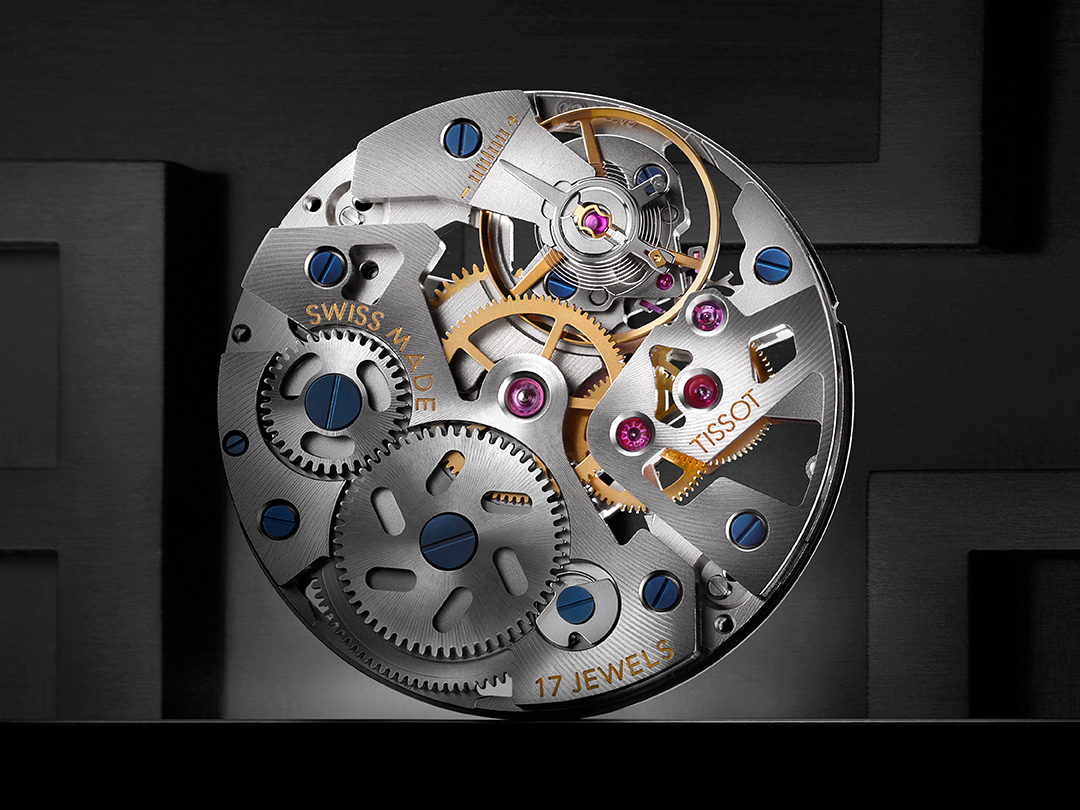
A Tissot mechanical movement contains an average of 100 finely manufactured components. At its core is the balance wheel, which plays a crucial role in ensuring timekeeping accuracy. With its continuous back-and-forth motion, the balance wheel, together with the balance spring, divides time into equal intervals, regulating the movement of the watch. These motions, known as oscillations, are what produce the familiar “ticking” sound. In total, the balance wheel completes approximately 385,000 oscillations per day.
Non-contractual image
Nivachron™
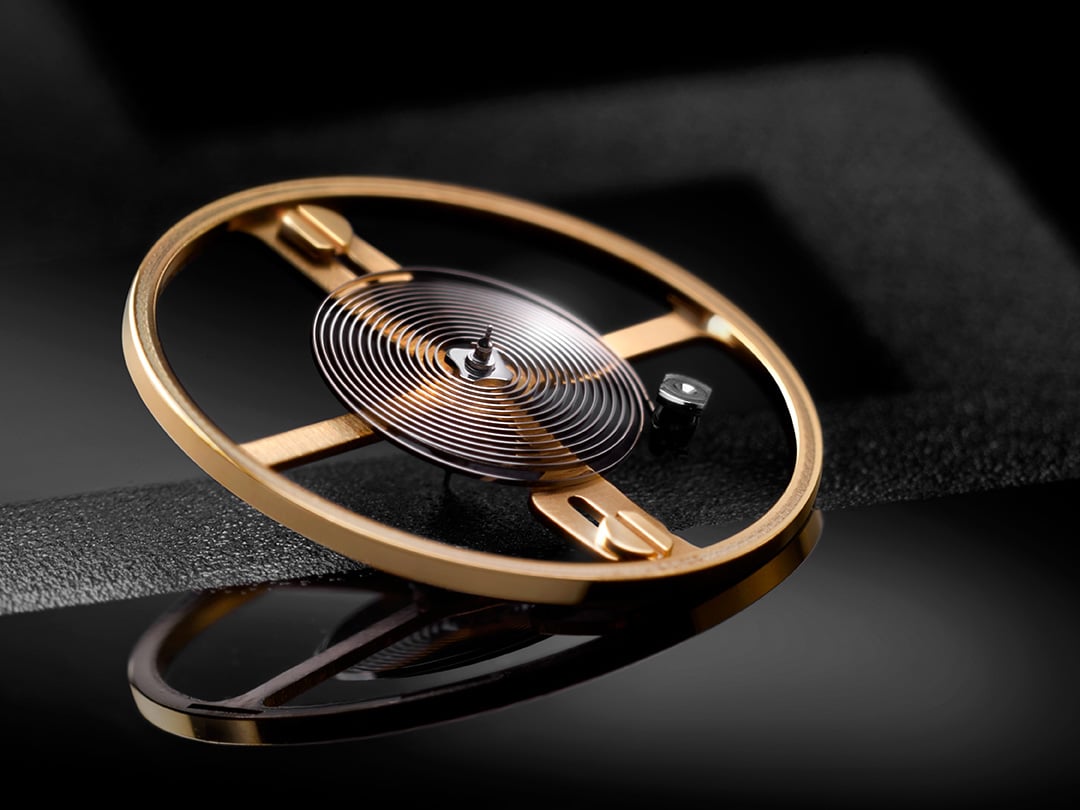
With magnetic fields from everyday electronics more present than ever, Tissot developed a cutting-edge titanium-based alloy to protect the precision of its watches. The Nivachron™ balance spring offers significantly greater resistance to magnetism than standard springs, ensuring reliable timekeeping in modern life.
Non-contractual image
Silicium
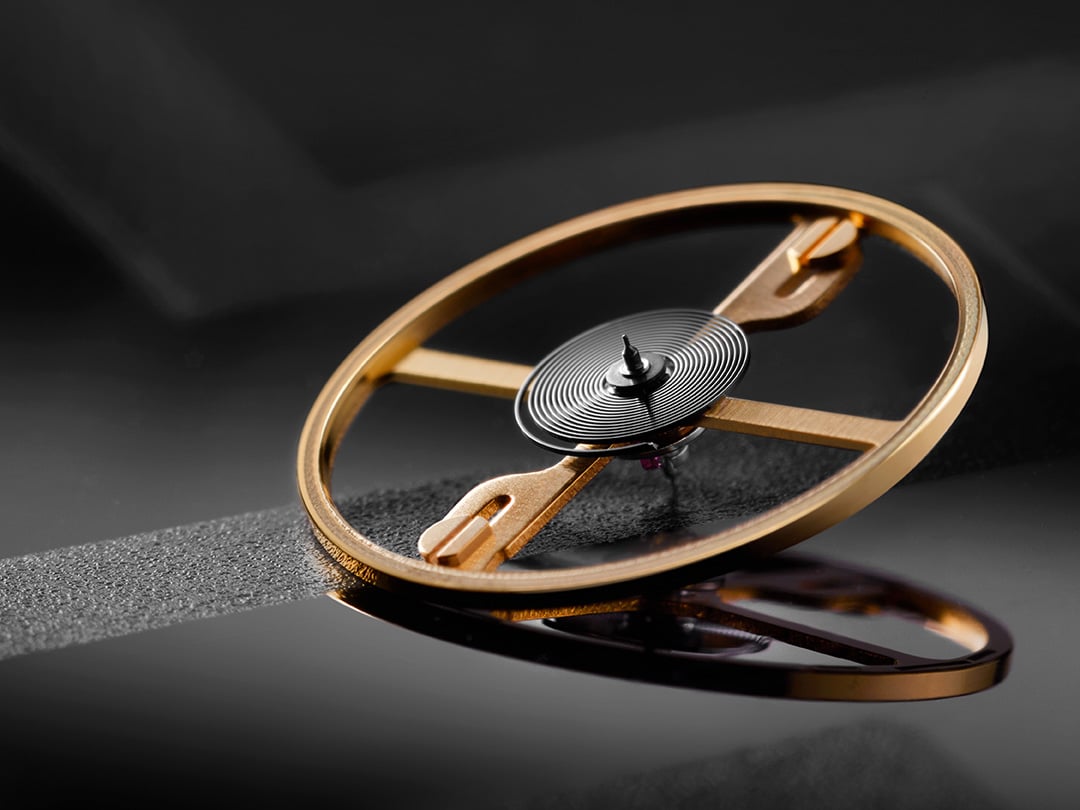
Since the 1930s, Tissot has applied its expertise to protect watch movements from magnetic interference caused by emerging electronic devices. As magnetic fields remained a key challenge, the introduction of silicone components in key movement parts marked a major advancement. Crafted with exceptional precision, these silicone elements are non-magnetic, highly durable, and offer low friction. This innovation allows Tissot watches to resist magnetic fields from everyday objects such as phones, computers, or magnetic clasps, making them even more accurate and reliable.
Non-contractual image
Sapphire
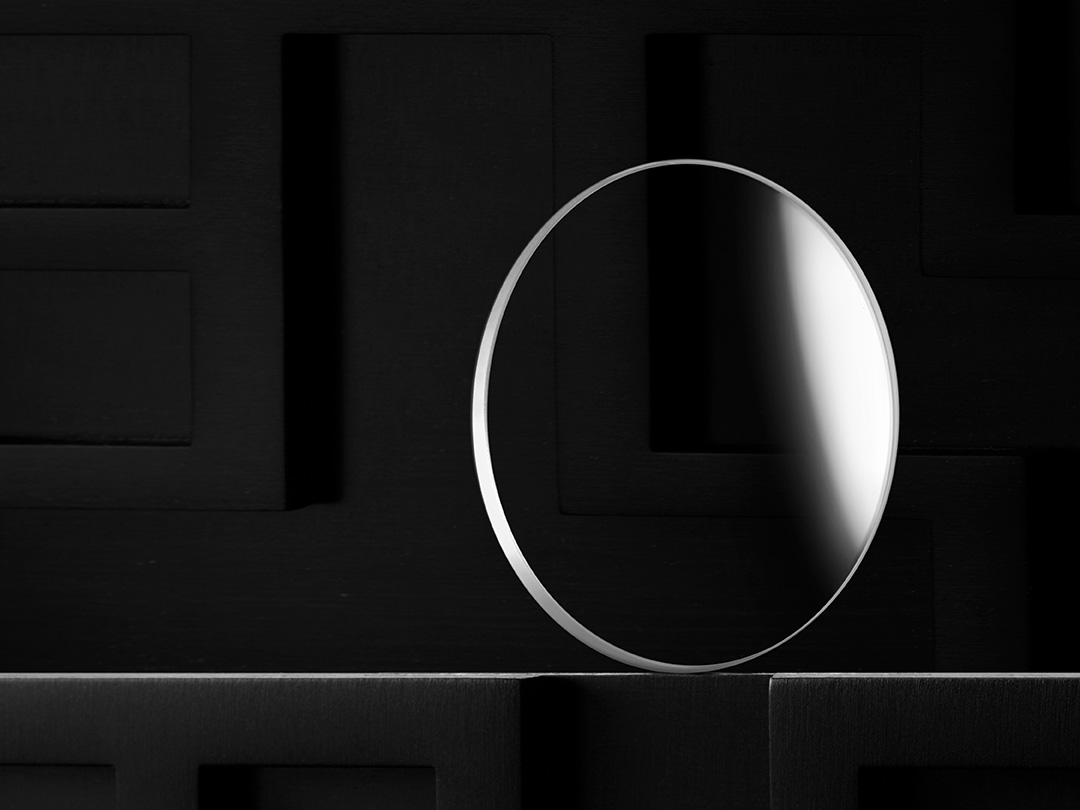
Sapphire crystal is valued in watchmaking for its exceptional scratch resistance and clarity, offering superior durability and legibility. As the hardest material after diamond, it is used in fine timepieces to protect the dial from impact while maintaining a flawless appearance. It can take many shapes such as flat, domed, concave, or faceted, contributing to the watch’s overall design.
Non-contractual image
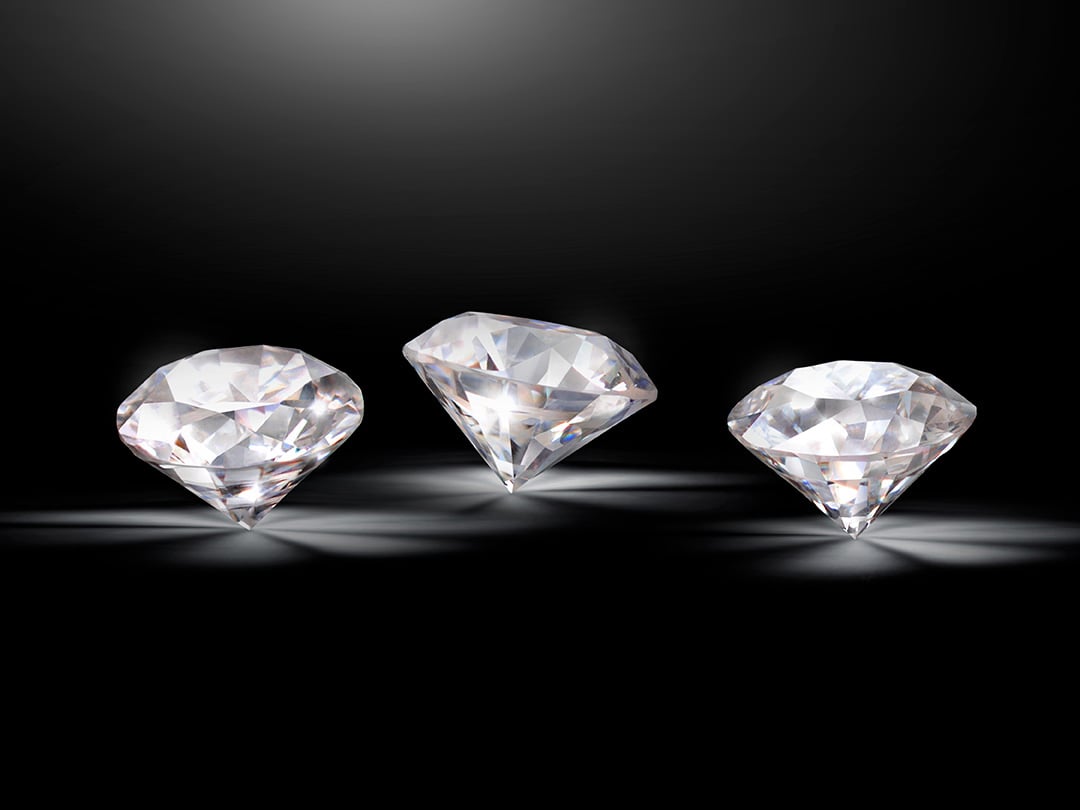
Diamonds
Tissot guarantees the origin and quality of the diamonds in its watches, including their color, clarity, and carat weight. All Tissot diamonds comply with the Kimberley Process certification requirements, an international system for certifying rough diamonds.
Non-contractual image
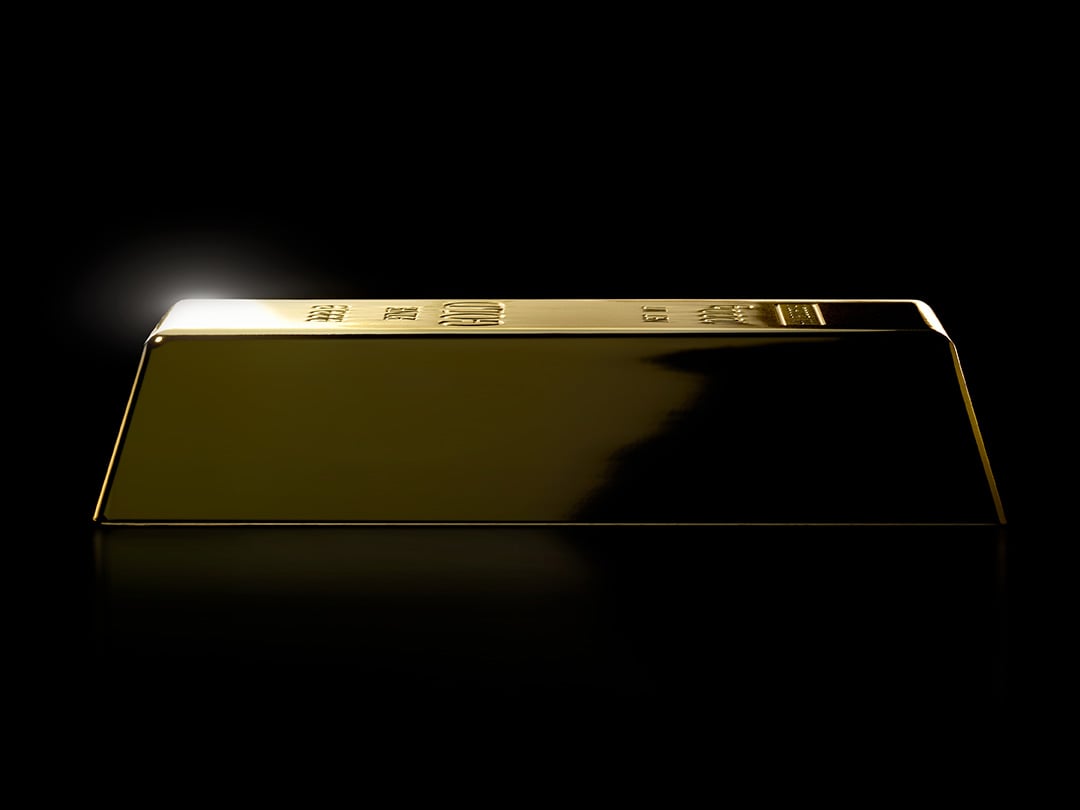
Gold
Gold is one of the world’s most precious and valued metals, renowned for its brilliance and exceptional properties: it does not oxidize, is insoluble, and remains unaltered over time. Tissot uses 18K gold, a prestigious alloy made of 75% pure gold combined with silver and copper, which enhances its durability. Thanks to Tissot’s expertise and craftsmanship, gold timepieces offer unmatched longevity, generation after generation.
Non-contractual image
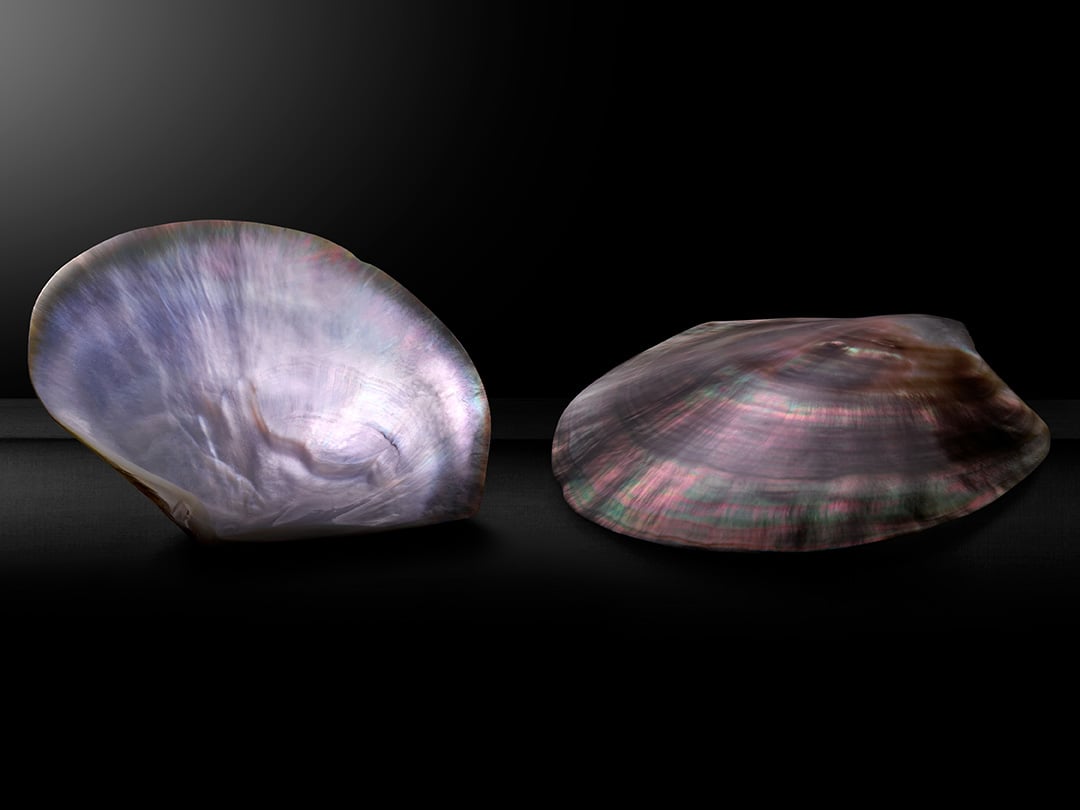
Mother of pearl
Mother of pearl forms deep in the sea and is known for its unique features, including iridescence and opalescence. Each piece is one of a kind, giving every watch a distinctive character, visible on the dial and other details.
Non-contractual image
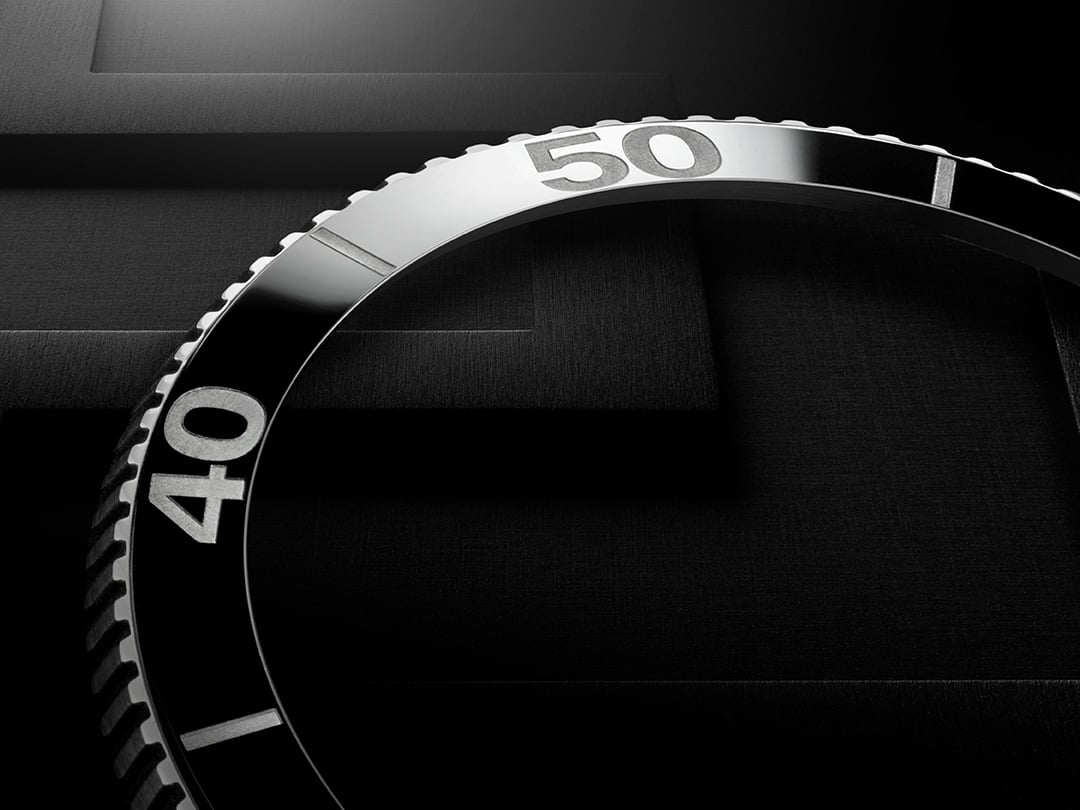
Ceramic
Recognized as one of the hardest materials, ceramic has been used by Tissot for decades. It is ideal for the external parts of a watch that face daily scratches and impacts. Made from ingredients like aluminum oxide and zirconium, ceramic never oxidizes, ensuring the watch maintains its shine over time.
Non-contractual image
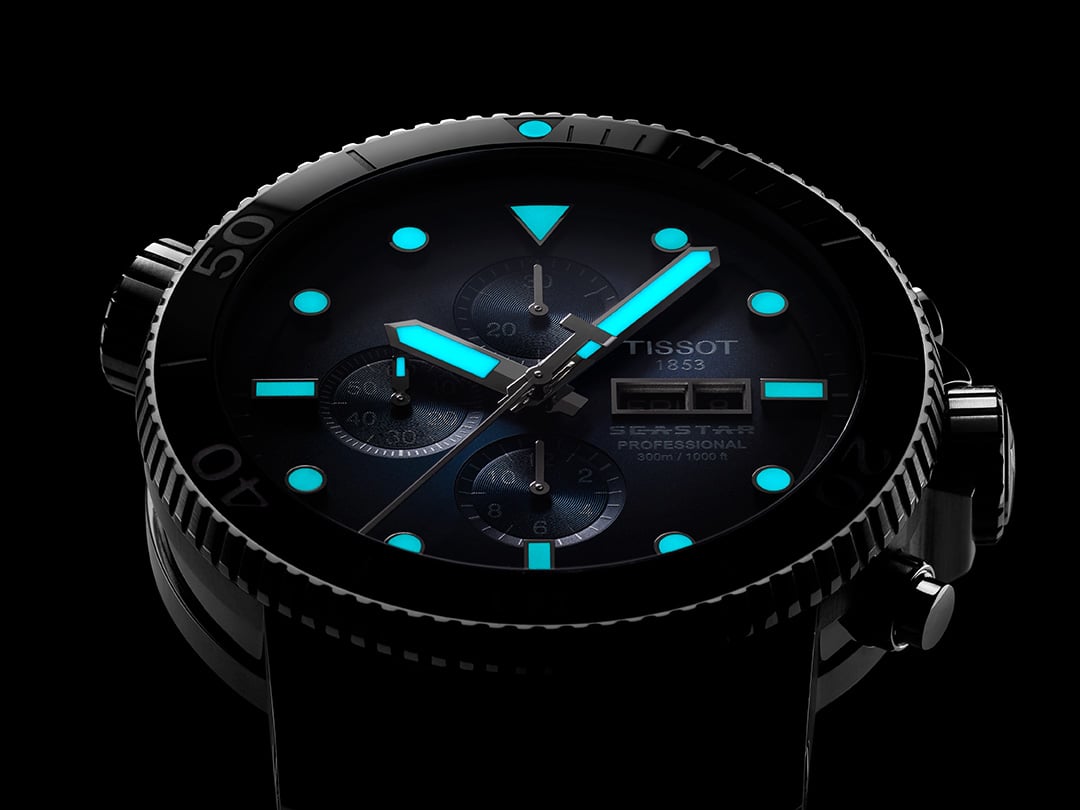
Superluminova®
Ensuring visibility in all conditions is a key priority for Tissot. That’s why some timepieces use SuperLuminova®, a material applied to visible parts like dials and hands. It acts as a miniature accumulator of reflected light, allowing the watch to be seen clearly in the dark.
Non-contractual image
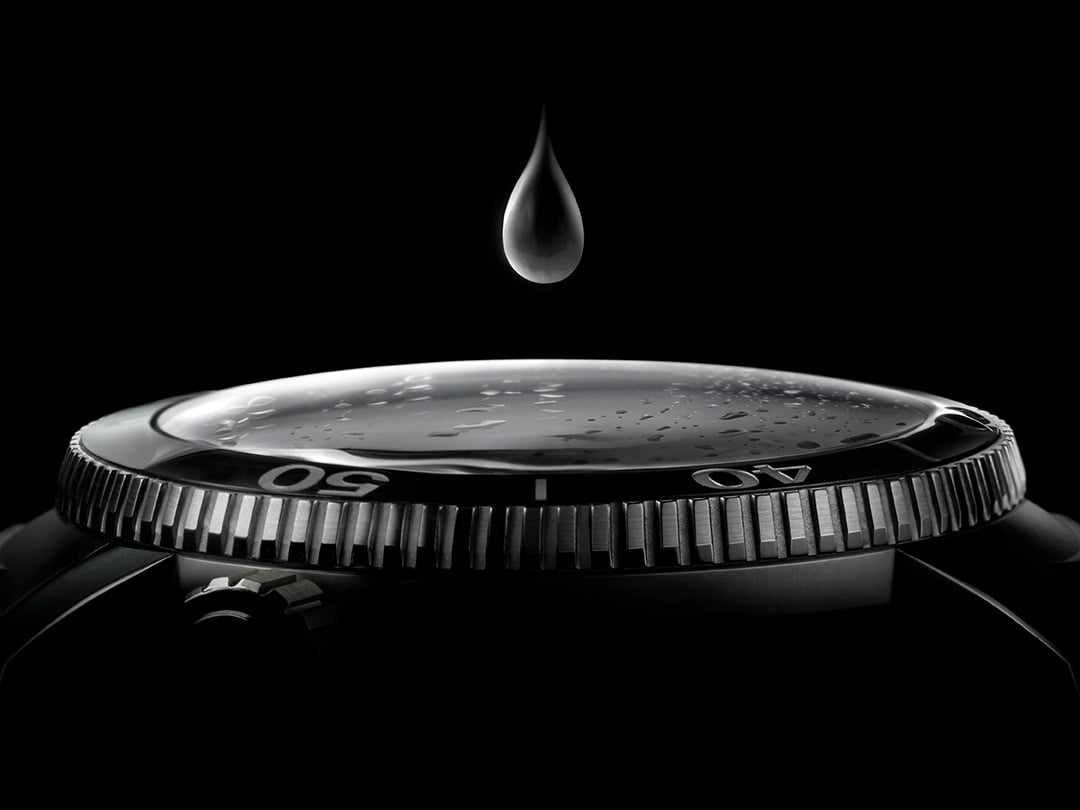
Water resistance
All Tissot watch cases undergo several tests to ensure they are ready for any conditions you may face on your journeys. This includes water resistance checks, as well as tests for impacts, pressure, and protection against the penetration of liquids, gas, and dust, replicating the real life environments your watch may encounter.
Non-contractual image
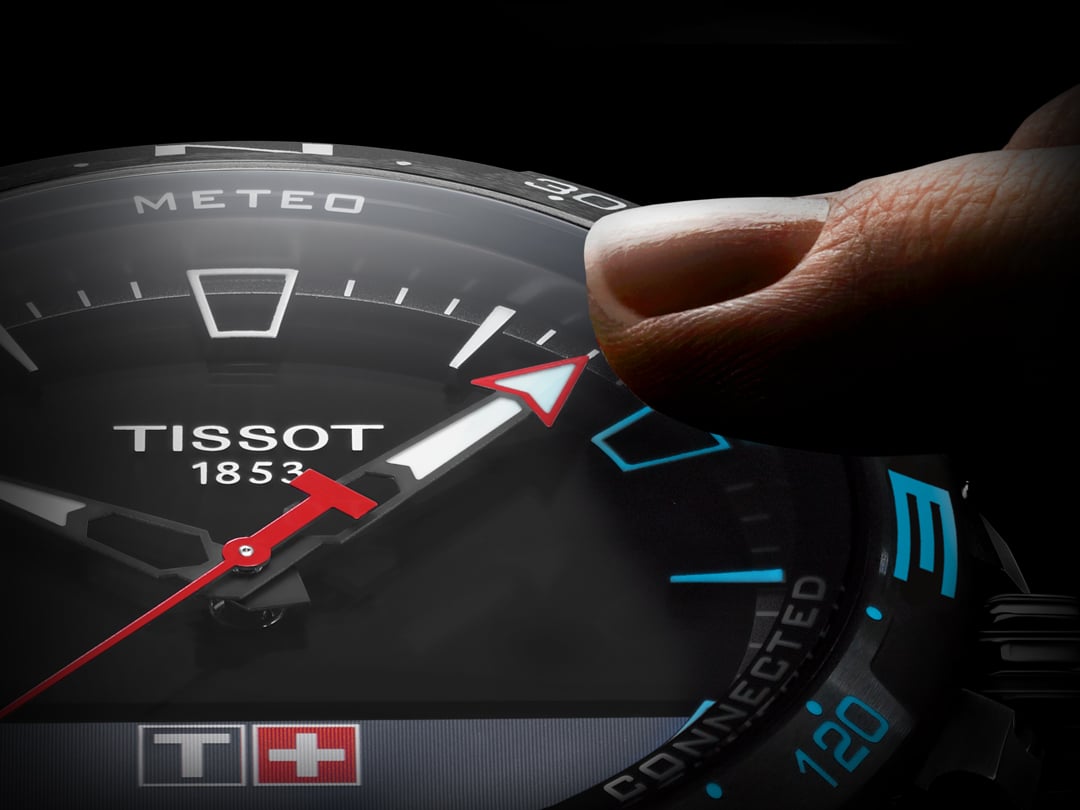
Tactile technology
Tissot developed the first tactile watch 20 years ago. This high-tech feature improves watch ergonomics and makes it unique and intuitive to use. The technology offers an array of functionalities, including compass, altimeter, weather, alarm, and chronograph, without an abundance of buttons or complex sub-menus.
Non-contractual image
Solar
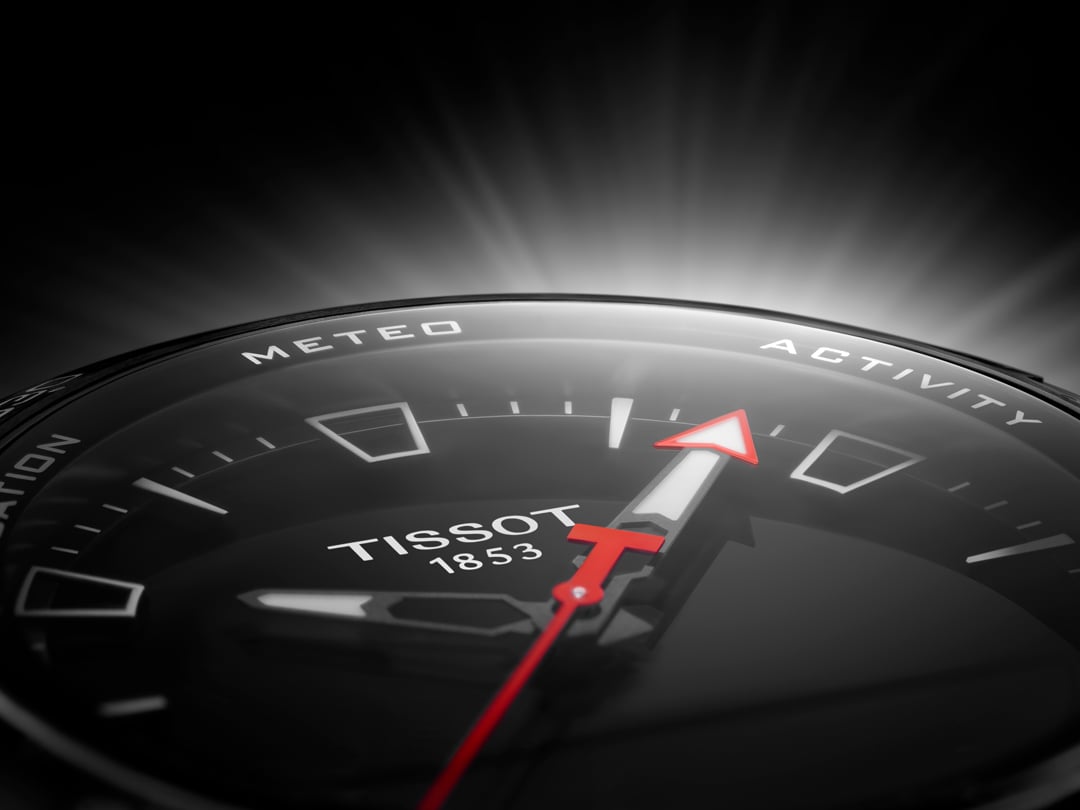
Tissot powers its iconic T Touch collection, Expert Solar, Connect Solar, Connect Sport, and PRC 100 Solar using solar energy. Tiny solar sensors on or under the watch dial capture light, which is stored in an accumulator. Unlike traditional quartz watches that rely on batteries, these watches use energy from natural or artificial light. This technology allows Tissot watches to run for several months without needing a recharge.
Non-contractual image
COSC
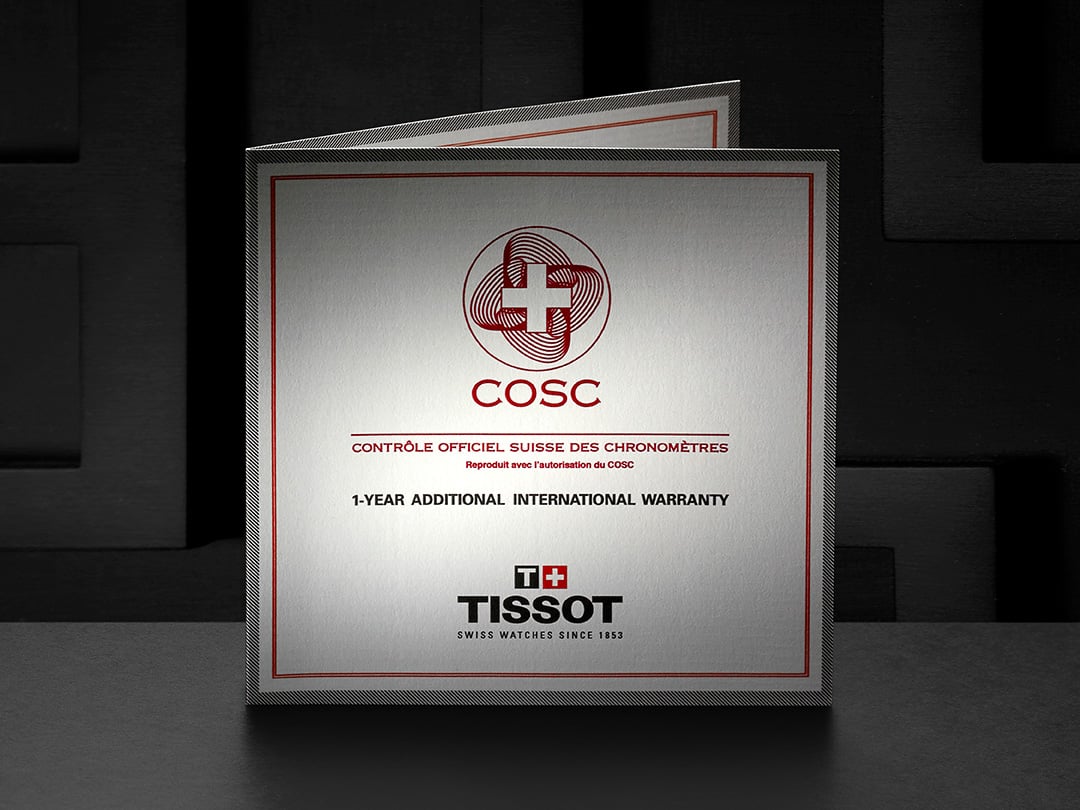
Tissot offers COSC-certified watches, timepieces officially authorized to bear the title of “Chronometer.” This certification is granted by the Official Swiss Chronometer Testing Institute (COSC), which subjects the watch movements to a series of rigorous tests over a 15-day period. These tests evaluate precision, resistance to magnetic fields, and shock resistance.
Non-contractual image
Accessorization
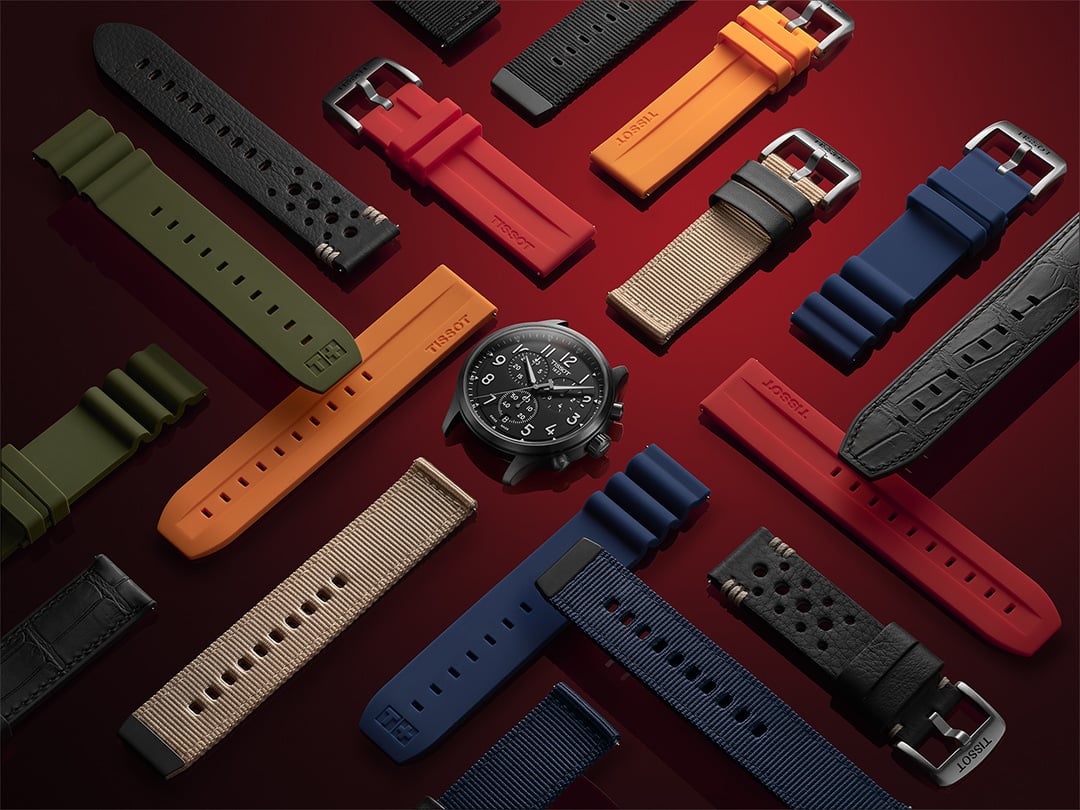
Most Tissot watches now feature an interchangeable strap system. The unique unlock system allows you to remove the strap without the need for a tool. Interchangeable straps are the best way to personalize your watch: they offer a great choice of customization for your timepiece, to suit any occasion in two simple clicks.